What is a Methane Super-Emitter?
Why Methane is a Critical Climate Problem
Methane (CH4) is the second-leading contributor to climate change after carbon dioxide (CO2), but its impact is far more potent in the short term. While it doesn’t stay in the atmosphere as long as CO2, it is an incredibly powerful heat-trapping gas. Over a 20-year period, methane is estimated to be **80 to 86 times** more effective at trapping heat than carbon dioxide. Reducing methane emissions now is considered the single fastest way to slow the rate of global warming.
For more detailed information on the science of methane, visit these external resources:
More Than Just a Climate Problem; Local Contamination
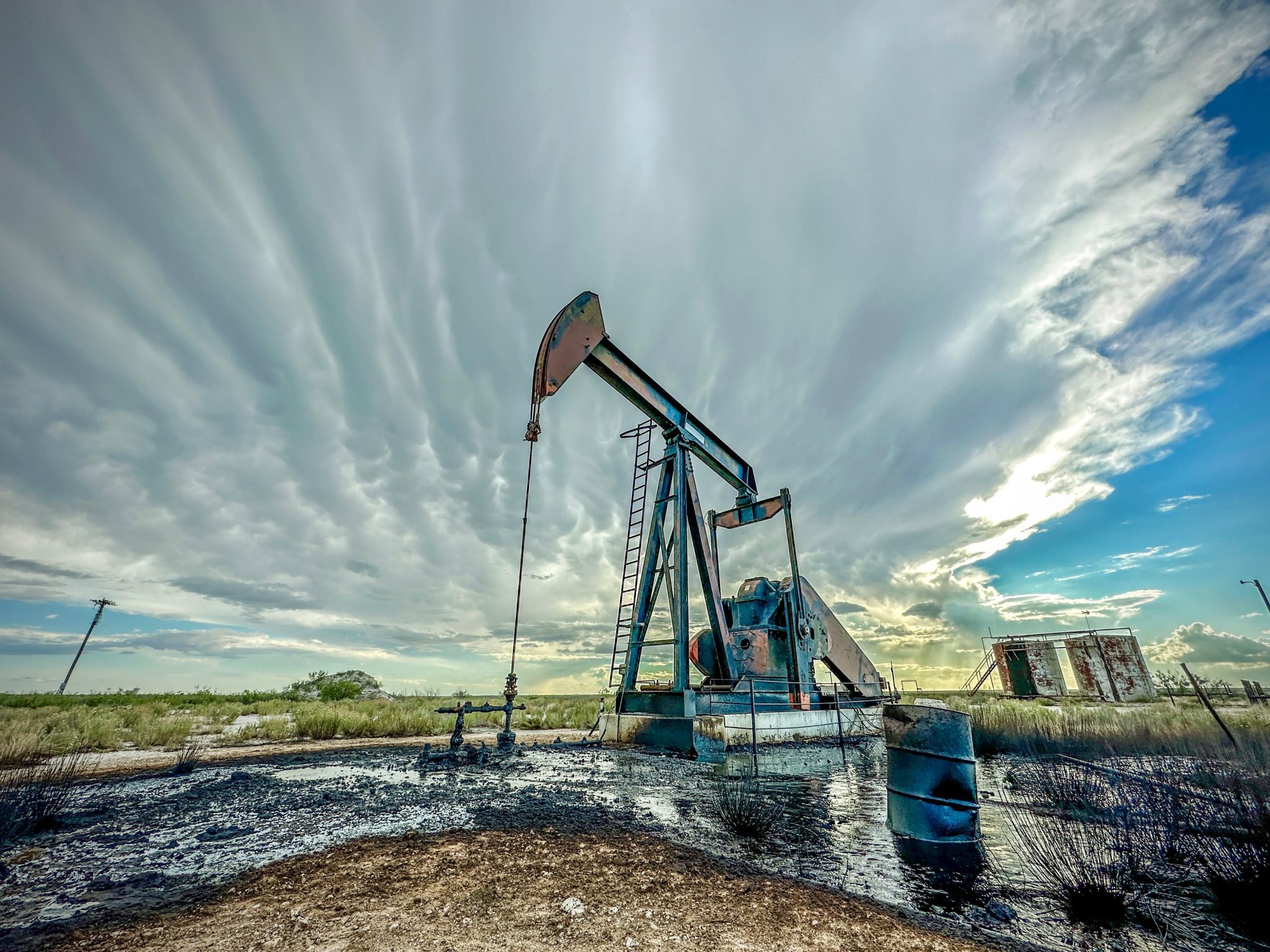
The danger posed by super-emitter orphaned wells extends far beyond their atmospheric impact. When a well is abandoned or improperly plugged, it creates a conduit from the subsurface to the environment, leading to severe local contamination:
- Water Contamination: Leaking methane can migrate through soil and rock layers, sometimes ending up in shallow groundwater aquifers, contaminating drinking water wells and potentially making them flammable.
- Soil and Air Contamination: These wells often leak other toxic substances alongside methane, including brine (salty water), heavy metals, and volatile organic compounds (VOCs). These contaminants saturate the soil, render nearby land unusable, and pollute the local air quality, posing direct health risks to community residents.
When the Well Done Foundation plugs a super-emitter, we are not just solving a global climate problem but we are reclaiming land for farm and other use, restoring underground water, and air quality for the local communities that have been suffering from this legacy pollution for decades.
How We Find and Plug Super-Emitters
Locating these super-emitters is a crucial step. We use advanced techniques and sophisticated methane detection equipment, to pinpoint the highest-emitting wells, making sure that your donated funds go toward the most impactful projects.
The process of plugging involves bringing heavy equipment to the site, removing old and rusty hardware, cleaning out the wellbore, and filling it with a special mixture and other materials to permanently isolate all underground polluter producing zones and migration pathways. This is followed by site restoration and reclamation.