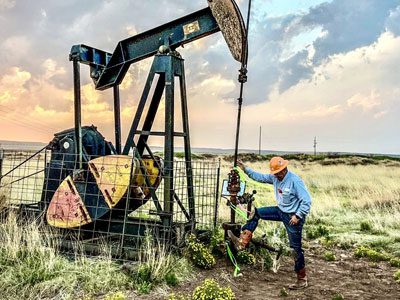
Our modern lives are inextricably linked to oil and gas. These resources fuel our homes, power our vehicles, and form the building blocks of countless everyday products, from the clothes we wear to the medicines we rely on. Unfortunately when these wells stop being used and are left behind without being plugged, we start to have key environmental issues. It’s important to recognize that orphaned oil and gas wells pose significant dangers to your water and air supplies. As these wells deteriorate, they can leak harmful gases, such as methane and volatile organic compounds into the environment, leading to serious health risks and contributing to climate change. Communities often affected by these leaks frequently lack the resources to combat the associated hazards, making awareness and action vital for the safety and well-being of you and your neighbors.
Key Takeaways:
- Health Risks: Orphaned wells can leak harmful gases such as methane, benzene, and hydrogen sulfide, leading to serious health issues, including cardiovascular, neurological, and respiratory problems.
- Environmental Impact: Methane leaks contribute to climate change and degrade local air quality, posing risks to both the environment and the communities nearby.
- Community Burden: Vulnerable communities, particularly low-income areas, face disproportionate exposure and often lack the resources to address the hazards posed by orphaned wells.
Environmental Impact of Orphaned Wells
For millions of Americans, orphaned oil and gas wells present a real and pressing environmental threat. These abandoned structures, often left unchecked, can leak harmful gases that compromise the air quality in surrounding communities. With a few million people living within half a mile of documented orphaned wells, the implications for public health and safety are concerning. When you breathe in air polluted with methane and other volatile organic compounds, you not only risk short-term health issues but also contribute to longer-term effects, including the development of serious cardiovascular, neurological, and respiratory conditions. The presence of these orphaned wells in neighborhoods exacerbates existing environmental injustices, leaving residents vulnerable to hazardous air quality that often goes unaddressed due to limited local resources.
Air Quality Deterioration
With orphaned wells leaking harmful gases, the air in affected communities suffers greatly. Methane, the primary component of natural gas, is a potent greenhouse gas that significantly contributes to climate change and can also lead to dangerous, explosive situations when concentrated. The impacts of air pollution are not just environmental; they translate into tangible health risks for you and your community. Reports have documented instances where methane leaks from abandoned wells have caused explosions, resulting in evacuations and posing a direct threat to personal safety. This deterioration of air quality extends the reach of environmental degradation, embedding the consequences of orphaned wells deeper into the community fabric.
Water Contamination Risks
Beside air quality issues, orphaned wells also pose significant risks to your water supply. As these wells corrode over time, they can allow harmful substances, including hazardous chemicals and heavy metals, to seep into the groundwater. This contamination endangers not only drinking water but also local ecosystems that depend on clean water. Communities near orphaned wells may find their water sources tainted without warning, often resulting in costly remediation efforts that local governments may struggle to fund.
In addition, many communities, especially those that are low-income, might not have the resources to test and monitor their water quality regularly. This lack of oversight increases the likelihood of prolonged exposure to contaminated water without the knowledge of its dangers. The compounds that can contaminate water sources, such as benzene—a known carcinogen—underscore the urgent need for effective oversight and remediation of orphaned wells. Protecting your water supply from these risks is necessary to ensuring the health and safety of your family and community. Addressing the issue of orphaned wells is not just about maintaining environmental quality; it’s about safeguarding human health and dignity in areas that have historically been marginalized.
Health Implications for Local Communities
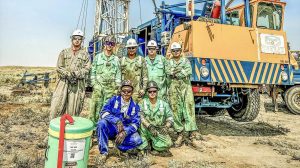
Clearly, the presence of orphaned oil and gas wells poses undeniable health risks for local communities, particularly those situated within close proximity to these hazardous sites. With at least 4 million Americans living within half a mile of documented orphaned wells, the potential exposure to harmful gases is a pressing concern. These wells can leak methane, volatile organic compounds, and even hydrogen sulfide, all of which can severely impact your health and well-being. Communities of color, low-income areas, and Tribal and indigenous populations often bear the brunt of these dangers. They and many other communities lack the resources necessary to mitigate such hazards in their environment as repairing these wells is prohibitively expensive.
Short-Term Health Effects
Effects of exposure to the gases emitted from orphaned wells can manifest rapidly, leading to serious health issues. Methane leaks can lead to immediate risks, including the possibility of explosions, resulting in acute injuries or even fatalities. Short-term exposure to volatile organic compounds such as benzene can induce a range of symptoms, including headaches, dizziness, and respiratory distress. For you and your neighbors, the consequences can be alarming, especially in communities where medical assistance is already strained.
Long-Term Health Consequences
Along with immediate threats to your health, long-term exposure to the pollutants emitted from orphaned oil and gas wells can lead to chronic health problems. Those who experience prolonged exposure to methane and other harmful gases may face significant risks such as cardiovascular diseases, neurological disorders, and respiratory issues that could persist for years. Furthermore, the hidden dangers of hydrogen sulfide, a highly toxic gas that can cause long-term damage, place your health at grave risk.
But the risks associated with orphaned wells extend beyond physical health implications; they can also contribute to heightened stress and anxiety levels within your community, particularly as environmental degradation affects your daily life. Many individuals may find their quality of life diminished due to persistent health concerns linked to contaminated air and water supplies. As these threats compound, it becomes clear that addressing the issue of orphaned oil and gas wells is necessary not only for physical health but for mental well-being and community resilience.
Socioeconomic Disparities
Once again, the issue of orphaned oil and gas wells highlights the stark socioeconomic disparities that exist in your communities. You may be surprised to learn that at least 4 million Americans live within just half a mile of documented orphaned wells. These wells not only threaten public health and safety but also disproportionately burden communities of low-income neighborhoods. The adverse impacts on drinking water, air quality, and land contamination are particularly acute in these demographics, often leaving them with the least capacity to address these substantial hazards.
Impact on Vulnerable Communities
Socioeconomic factors play a significant role in how effectively these vulnerable communities can respond to the dangers posed by orphaned wells. Families in these areas may already face numerous challenges, from limited access to healthcare to economic instability, all of which are compounded by the imminent threats of harmful gases like methane and volatile organic compounds seeping into their environment. Exposure to these hazardous substances can lead to severe health issues, including respiratory and neurological problems, further straining the already limited resources available for community health and well-being.
Resource Limitations for Response
Around the country, many low-income and marginalized communities lack the financial, technical, and political resources needed to address the dangers of orphaned wells effectively. These communities are often left to fend for themselves in dealing with the impacts of leaking gases and contaminated water supplies, leading to prolonged exposure to health risks. Local governments might struggle to allocate funds for monitoring and remediation efforts, resulting in inadequate responses to known hazards.
And while the environmental consequences of orphaned wells are wide-reaching, the burden falls disproportionately on those least equipped to manage it. Without adequate funding, knowledge of available resources, or community support, vulnerable populations find themselves facing a daunting challenge. Addressing these disparities not only involves remediation of the wells themselves but also requires you to advocate for equitable resource distribution and comprehensive support systems that prioritize the health and safety of every community member.
Methane and Climate Change
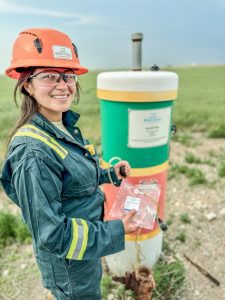
After considering the significant impact orphaned oil and gas wells have on our environment, it becomes evident that they are not just a local problem but a global concern. You may not realize that methane, a potent greenhouse gas released from these wells, contributes significantly to climate change. As these wells corrode and leak, they allow methane to escape into the atmosphere, where it warms the planet at a rate far more damaging than carbon dioxide over a shorter time frame.
Greenhouse Gas Emissions
To understand the severity of methane emissions from orphaned wells, it’s imperative to grasp the magnitude of the problem. Methane is estimated to be over 25 times more effective than carbon dioxide at trapping heat in the atmosphere over a 100-year period. This means that even a small leak can have outsized effects on global warming. You should be aware that methane emissions not only contribute to climate change but also result from infrastructure failures and environmental degradation related to oil and gas extraction activities. As these wells continue to deteriorate, their potential to emit hazardous gases increases, creating a cycle of environmental harm.
Role of Methane in Global Warming
Methane is recognized as one of the most potent greenhouse gases, and its role in global warming cannot be understated. Currently, methane accounts for about 16% of global greenhouse gas emissions, and a significant portion originates from aging and orphaned oil and gas wells. You have a vested interest in understanding how these emissions contribute to the rising global temperatures affecting weather patterns, agriculture, and your local environment. Methane’s short-term impacts can be exacerbated in areas where there are multiple leaking wells, leading to greater concentrations of this gas in the atmosphere.
Emissions from orphaned wells pose a serious threat, as they can create a cumulative effect that accelerates warming trends. The continued release of methane from these sources not only impacts ecological balances but can also influence your health and well-being. Addressing and mitigating methane emissions from orphaned wells should be a priority, not just for the affected communities but for everyone, as we collectively face the challenges of climate change and strive for a sustainable future.
Safety Hazards Associated with Orphaned Wells
Unlike many modern concerns, the dangers posed by orphaned oil and gas wells are not merely hypothetical. They present immediate threats to your public health, safety, and environment. As these wells decay over time, they can leak harmful gases such as methane and volatile organic compounds, which are not only significant contributors to climate change but also serious health risks. With over 4 million Americans living within a half-mile of documented orphaned wells, the impacts of these leaks can disproportionately affect low-income and marginalized communities, leaving residents vulnerable to serious health concerns.
Explosion Risks
Against this backdrop of environmental threat lies the terrifying potential for explosions stemming from orphaned wells. Methane accumulation in and around these abandoned sites can lead to disastrous outcomes. There have been documented instances in several states where leaking methane has caused explosions, forcing residents to evacuate public spaces and buildings. These incidents not only put lives at risk but can also result in extensive property damage and costly emergency responses.
Public Safety Incidents
For communities near orphaned oil and gas wells, public safety incidents are a very real concern. The presence of hazardous gases such as hydrogen sulfide can pose immediate threats—this toxic gas can cause death within moments of exposure. It is vital for you to recognize that the existence of orphaned wells near your locality is more than an environmental issue; it is a direct relation to your safety and the wellbeing of your community.
Hazards extend beyond immediate gas leaks or explosions; they include long-term environmental degradation and health implications from chronic exposure to airborne toxins. This cycle of risk, primarily affecting already vulnerable populations, underscores the urgent need for proactive measures in addressing abandoned wells. Communities are at a heightened risk, particularly when they lack the resources to address these significant dangers effectively, leaving you and your neighbors in a continued state of uncertainty regarding your health and safety.
Regulatory Challenges and Responses
Current Regulations
Before diving deeper into the impacts of orphaned oil and gas wells, it’s important to understand the regulatory landscape governing these abandoned sites. Current regulations often fall short in addressing the challenges posed by orphaned wells. While federal and state agencies are tasked with monitoring and managing well abandonment, the legal framework can vary significantly from state to state. For instance, some states prioritize decommissioning efforts, while others lack comprehensive strategies to assess and mitigate the risks associated with these hazardous wells. With at least 4 million Americans living within a half mile of these orphaned sites, the inconsistency in regulations can have serious implications for public health, particularly in communities that already face significant environmental burdens.
Proposed Solutions and Initiatives
About advancing the regulatory response to orphaned wells, innovative solutions and initiatives are being proposed at multiple levels. One promising approach includes creating stronger financial assurance requirements for oil and gas operators, ensuring they are held accountable for the long-term maintenance and monitoring of their wells. Additionally, legislation is being introduced to allocate more funding specifically for the proper closure of orphaned wells, aiming to not only contain environmental hazards but also to invest in community resilience. Collaboration with local organizations and communities can further enhance these efforts, ensuring that solutions are equitable and responsive to the needs of those most affected, particularly low-income and marginalized populations.
It is also imperative to explore emerging technologies that can help detect and repair leaks or assess the integrity of old well infrastructure more efficiently. Enhanced training for local agencies and contractors in best practices for well assessment and closure is equally important. By combining technology, stronger regulations, and community-driven approaches, you can support efforts to address the dangers posed by orphaned oil and gas wells, ensuring cleaner water and air for your community and future generations.
To wrap up
The environmental impacts of orphaned wells extend well beyond immediate health concerns. Contaminated air and water can disrupt ecosystems and diminish the quality of your drinking water, leading to long-term repercussions for public health. By staying informed about these issues, you empower yourself and your community to seek out solutions, drive change, and push for stronger regulatory measures to mitigate the impacts of orphaned oil and gas wells. Your awareness and advocacy can help safeguard not only your well-being but also the environment for future generations.
FAQ
Q: What are orphaned oil and gas wells?
A: Orphaned oil and gas wells are abandoned wells that no longer have an owner or operator responsible for their maintenance. These wells may leak harmful substances, including methane and volatile organic compounds, posing risks to public health and the environment. The abandonment of these wells often occurs without proper sealing or monitoring, which exacerbates the threats they pose.
Q: How do orphaned wells impact local communities?
A: Orphaned wells can significantly affect local communities. The proximity of these wells increases the risk of exposure to harmful gases, which can lead to health issues such as respiratory problems, cardiovascular diseases, and neurological effects. Additionally, these communities often lack the resources to adequately address or mitigate the hazards associated with these wells.
Q: What types of harmful gases are associated with orphaned oil and gas wells?
A: Orphaned wells can release several harmful gases into the environment. Methane, a potent greenhouse gas, is the primary component of natural gas and contributes significantly to climate change. Other hazardous substances include volatile organic compounds such as benzene, which is a known carcinogen, and hydrogen sulfide, a highly toxic gas that can lead to immediate health risks, including death upon exposure.
Q: What are the potential health effects of exposure to gases leaking from orphaned wells?
A: Exposure to the gases leaking from orphaned oil and gas wells can cause a variety of adverse health effects. Long-term exposure to volatile organic compounds can result in serious conditions, such as cancer and respiratory diseases. Methane can displace oxygen in the air, leading to suffocation risks. Additionally, hydrogen sulfide exposure can cause respiratory distress and even death in severe cases. Communities near orphaned wells face an increased risk of these health outcomes.
Q: What measures can be taken to address the dangers posed by orphaned wells?
A: Addressing the dangers associated with orphaned wells involves several approaches. Governments and regulatory bodies need to prioritize the identification, assessment, and closure of these wells to prevent gas leaks. Community engagement is vital to ensure that vulnerable populations are involved in decision-making processes. Increased funding and resources should be allocated to remediate these sites, and public awareness campaigns can educate affected communities about the risks and available solutions related to orphaned oil and gas wells.