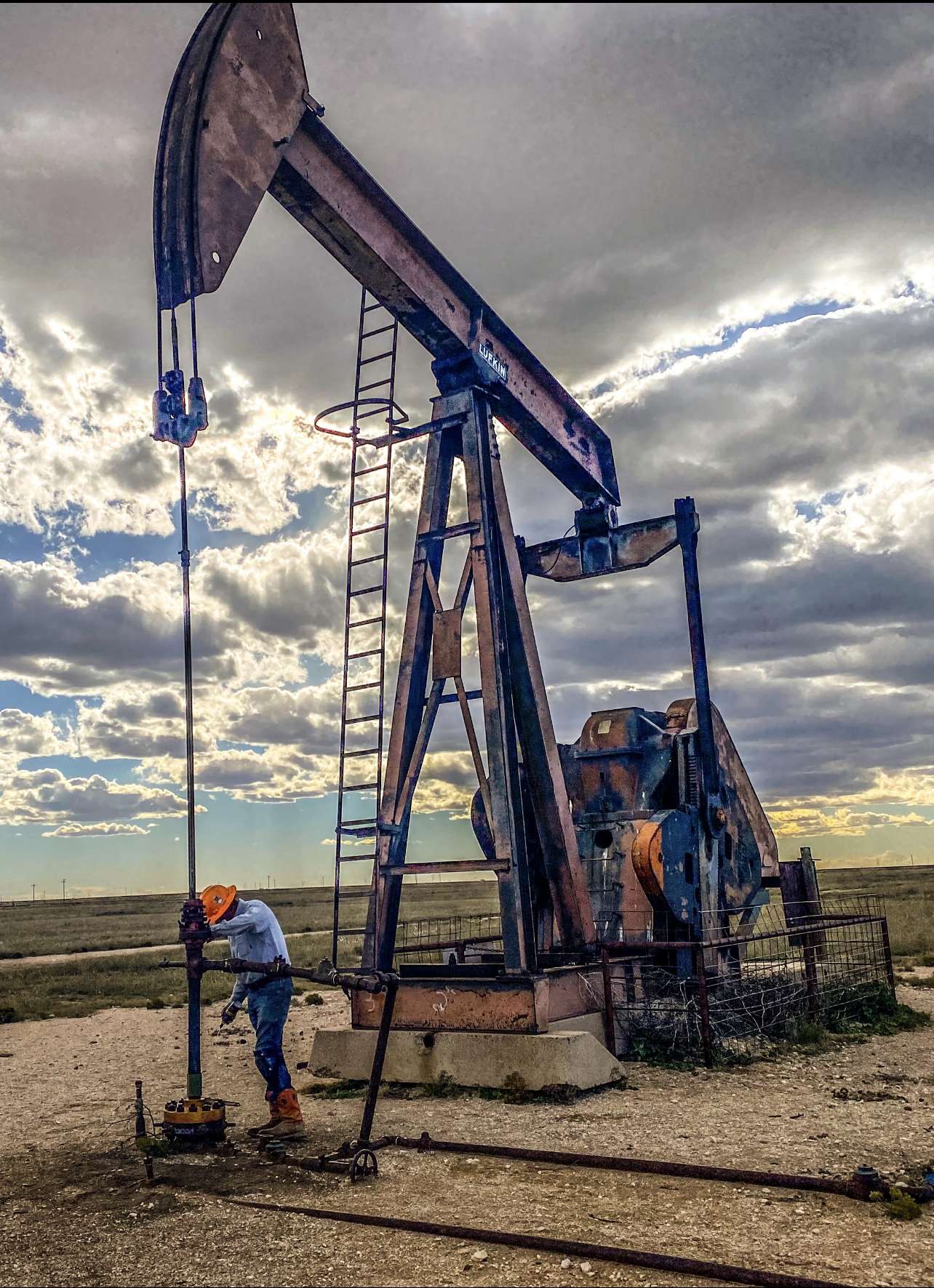
The oil and gas industry is often characterized by images of gushing wells and massive offshore platforms. But a significant portion of domestic energy production comes from a less conspicuous source: stripper wells. These aging wells, nearing the end of their economically productive lifespan, play a vital role in our energy landscape while presenting unique environmental challenges.
What Sets Stripper Wells Apart?
Stripper wells, also called marginal wells, are defined by their low production rates. Typically, they produce 10-15 barrels of oil or 60,000 cubic feet of natural gas per day. While this may seem insignificant compared to high-producing wells, the sheer number of stripper wells across the United States—estimated to be over 750,000—makes them a crucial component of our energy supply.
These wells are often found in mature oil and gas fields, where production has declined over time. They require specialized expertise and careful management to extract the remaining resources efficiently and responsibly.
The Environmental Tightrope
While stripper wells contribute to our energy independence, it’s essential to acknowledge and address their potential environmental impact. Due to their age and the wear-and-tear on equipment, they can be more susceptible to leaks and spills. This raises several concerns:
- Methane Emissions: Methane, a potent greenhouse gas with a significantly higher warming potential than carbon dioxide, can leak from wellheads, pipelines, and other infrastructure associated with stripper wells. These emissions contribute to climate change and require careful monitoring and mitigation.
- Carbon Dioxide Release: Even at low production levels, stripper wells release carbon dioxide during the extraction and processing of oil and gas. This adds to the cumulative greenhouse gas emissions contributing to global warming.
- Water Contamination: Oil and gas production generates “produced water,” a byproduct that often contains salts, hydrocarbons, as well as numerous other chemicals. If not managed properly, produced water from stripper wells can contaminate groundwater and surface water sources.
- Surface Impacts: The infrastructure associated with stripper wells, including well pads, access roads, and pipelines, can disrupt ecosystems and fragment wildlife habitats. Minimizing these impacts through responsible land management practices is crucial.
Striking a Balance: Towards Responsible Energy Production
The key to maximizing the benefits of stripper wells while minimizing their environmental impact lies in responsible management and a commitment to continuous improvement. Here are some essential strategies:
- Enhanced Monitoring and Maintenance: Regular inspections, leak detection programs, and prompt repairs are crucial for preventing and addressing methane emissions and other potential environmental issues.
- Well Plugging and Abandonment: When a stripper well reaches the end of its productive life, it must be properly plugged and abandoned to prevent future leaks and contamination. This involves sealing the wellbore with cement and other materials to isolate the oil and gas reservoir from the environment.
- Technological Advancements: Investing in new technologies for leak detection, methane capture, and more efficient extraction methods can significantly reduce the environmental footprint of stripper wells.
- Collaboration and Transparency: Open communication and collaboration between industry operators, regulators, and environmental organizations are essential for developing and implementing best practices for stripper well management.
- Supporting Innovation: Encouraging research and development of cleaner and more sustainable energy technologies can help reduce our reliance on fossil fuels in the long term, while ensuring a responsible transition.
A Shared Commitment to a Sustainable Future
Stripper wells represent a bridge between our current energy needs and a future powered by cleaner sources. By prioritizing responsible management practices, investing in innovation, and fostering collaboration, we can ensure that these wells contribute to our energy security while minimizing their impact on the environment. It’s a commitment we owe to ourselves and to future generations.
While many modern energy companies prioritize responsible well management, the sheer number of stripper wells and the ongoing need for continuous monitoring and maintenance underscores the importance of collaborative efforts to ensure environmental protection is exercised while we continue to get the required resources to run our nation.