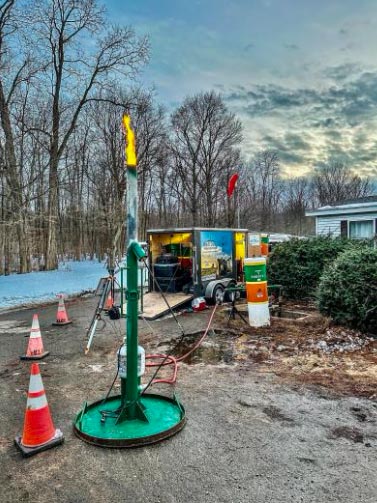
Understanding Carbon Credits: A Comprehensive Overview
Carbon credits are a market-based mechanism designed to help reduce greenhouse gas emissions. Each carbon credit represents one metric ton of carbon dioxide (CO2) or an equivalent amount of another greenhouse gas (such as methane) that is either prevented from entering the atmosphere or removed from it. The concept relies on the ability of businesses, governments, and other entities to buy, sell, or trade these credits, creating a financial incentive for reducing emissions. Carbon credits are a crucial element of international agreements such as the Kyoto Protocol and the Paris Agreement, which aim to curb climate change by establishing legally binding emissions reduction targets for participating countries.
The process of acquiring carbon credits typically involves various methods of emissions reduction, such as investing in renewable energy, reforestation projects, or energy efficiency improvements (and yes there are many others). Organizations that successfully achieve verified reductions in emissions can generate carbon credits, which are then sold to companies that need to offset their own emissions. This creates a supply-and-demand marketplace for carbon credits, allowing businesses to achieve compliance with regulations while also supporting environmentally sustainable initiatives. The integrity of this system relies on rigorous standards and verification processes to ensure that each credit corresponds to a legitimate reduction in emissions.
However, the carbon credit market is not without its challenges and criticisms. Concerns have been raised regarding the effectiveness of certain carbon offset projects, the potential for greenwashing, and the overall transparency of the trading system. Some argue that purchasing carbon credits can become a way for companies to avoid making substantial changes to their operations, effectively allowing them to pay for their emissions rather than reducing them. Consequently, ongoing reforms and improvements to the carbon credit framework are essential to enhance its credibility and to ensure it contributes genuinely to the global goal of reducing greenhouse gas emissions and mitigating climate change. Like many new’ish markets and systems it will take awhile for it to work out all of the kinks but in general carbon credits have been considerably effective.
Carbon credits are a market-based mechanism designed to reduce greenhouse gas emissions, particularly carbon dioxide (CO2). Each carbon credit represents one ton of CO2 that has been either removed from the atmosphere or has not been emitted due to various conservation and sustainability efforts. The fundamental principle behind carbon credits is to create a financial incentive for companies and individuals to reduce their carbon emissions.
The Purpose of Carbon Credits
The primary goal of carbon credits is to combat climate change by lowering overall greenhouse gas emissions. By allowing companies that exceed their reduction targets to sell their excess credits to those struggling to meet their limits, carbon credits create a financial motivation to reduce emissions. This kind of flexibility can lead to more cost-effective emissions reduction across the economy. Let’s take a further look at the steps involved and how it all works.
How Do Carbon Credits Work?
Carbon credits operate within different frameworks, but they generally work as follows:
1. Emissions Cap
Governments or regulatory bodies set a cap on the total amount of emissions allowed within a specific period. This cap generally decreases over time to encourage continual reduction in emissions.
2. Allocation of Credits
Each company within the cap-and-trade system receives a certain number of carbon credits based on their historical emissions or their commitments to reduce emissions. Some credits can also be purchased from the government or through auctions.
3. Monitoring and Reporting
Companies are required to monitor and report their emissions. If a company emits less than the number of credits it has, it can sell its surplus credits on the carbon market (we are including an additional great read for those who’d like to learn more about carbon markets here).
4. Trading Credits
A carbon market facilitates the trading of credits. Companies needing more credits can buy them from those that have excess. This creates a financial market for carbon credits, where prices fluctuate based on supply and demand.
Let’s Look at Different Types of Carbon Credits
There are two main types of carbon credits:
1. Compliance Credits
These credits are mandated by legal frameworks, such as national or international agreements. Organizations must obtain these credits to comply with specific regulatory requirements.
2. Voluntary Credits
Voluntary carbon credits are purchased by organizations or individuals who wish to offset their emissions outside of any legal requirement. These credits often come from projects such as reforestation, renewable energy, or methane capture.
Carbon Credits and Methane
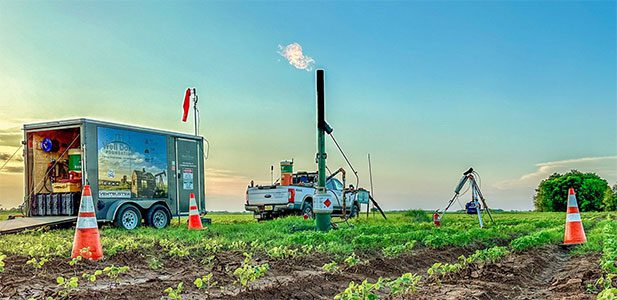
Methane (CH4) is a powerful greenhouse gas with a global warming potential many times greater than that of CO2. Carbon credits can also be applicable to methane reduction efforts. Methane (CH4) is a potent greenhouse gas, significantly more effective at trapping heat in the atmosphere than carbon dioxide (CO2). While methane doesn’t linger as long as CO2, its global warming potential is estimated to be 80 times greater than CO2 over a 20-year period (learn more about this here). This means that reducing methane emissions can have a more immediate impact on slowing global warming. Recognizing this, carbon credit systems are increasingly being applied to methane reduction efforts. This allows companies and individuals to earn credits by investing in projects that capture or prevent methane release, such as capturing gas from landfills, reducing leaks in natural gas pipelines, plugging abandoned and orphaned wells, or implementing better manure management practices in agriculture. These credits can then be sold to companies seeking to offset their own emissions, creating a financial incentive to address this potent greenhouse gas.
Mitigation Projects
Projects aimed at reducing methane emissions can generate carbon credits. For instance, plugging methane underground, capturing methane from landfills or agricultural processes, such as manure management, allows organizations to prevent methane from entering the atmosphere. By investing in these projects, companies may generate carbon credits that can be sold or used to offset their emissions. You can take a look at all of the methane plugging projects we are involved with here.
Carbon Credit Market Potential
The inclusion of methane-related projects in carbon credit systems can broaden the market and create additional incentives for organizations to address methane emissions specifically. As awareness of methane’s impact grows, the demand for credits generated by methane-reducing projects may increase.
Impact of Carbon Credits
The implementation of carbon credits has several potential benefits:
Environmental Impact
By creating a financial incentive to reduce emissions, carbon credits can contribute to a decrease in overall greenhouse gas concentrations in the atmosphere.
What About Economic Growth?
Carbon credits can stimulate investment in green technologies and sustainable projects, driving economic growth and job creation in the renewable energy sector. There is both economic growth and economic savings from reducing pollutions, reducing the kinetic energy in future storms, lowering the overall pollution in air, land and water and more.
Corporate Responsibility
In today’s world, consumers and investors alike are increasingly demanding that businesses take responsibility for their environmental impact. Adopting carbon credit strategies is a powerful way for companies to demonstrate a genuine commitment to sustainability and corporate social responsibility. By investing in projects that reduce greenhouse gas emissions, companies can not only offset their own carbon footprint but also contribute to a cleaner, healthier planet. This proactive approach enhances a company’s reputation, attracts environmentally conscious customers, and positions them as leaders in the fight against climate change.
But it’s not just about corporations. Individuals can also take action by purchasing carbon credits to offset their personal emissions from activities like air travel, driving, or home energy use. This allows everyone to participate in supporting projects that combat climate change, from reforestation efforts to renewable energy development. Whether you’re a business leader or an individual, embracing carbon credits is a tangible way to make a positive difference in the world.
Let’s Wrap it Up…
Carbon credits are a valuable tool in the fight against climate change, providing a financial mechanism for reducing greenhouse gas emissions. When effectively implemented, they can play a significant role in addressing not only CO2 emissions but also other powerful greenhouse gases such as methane. As markets for carbon credits continue to evolve, ensuring effective regulation, transparency, and verification will be crucial to realizing their full environmental and economic potential. Well Done Foundation is focused on stopping methane emission by plugging orphaned oil and gas wells. We are supported by donations and sell carbon credits. We encourage everyone to consider us the next time you are looking to support environmental companies!
Carbon Credits
By funding us through buying carbon credits from a Well Done Foundation (WDF) project, you’re doing more than just offsetting your carbon footprint, you’re also investing in a cleaner, greener future and a reduction in climate change. Every carbon credit supports the plugging of additional orphaned and abandoned oil and gas wells, helping to reduce harmful methane emissions and protect the environment for the next generation.