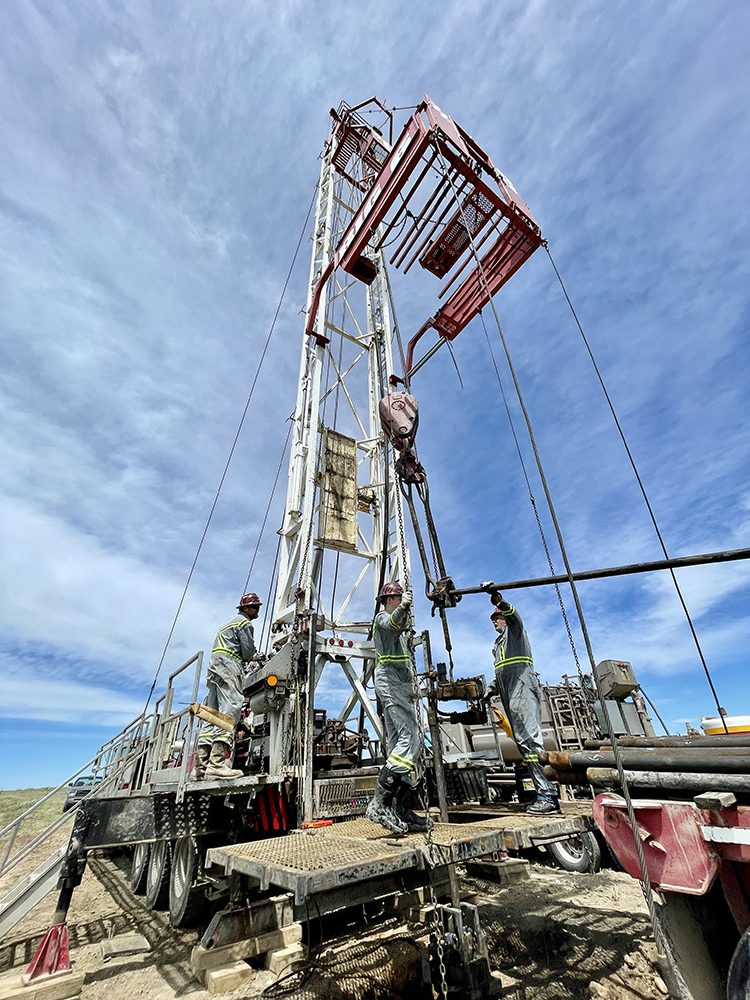
Over the many decades millions of oil and gas wells have been left behind abandoned across the globe, presenting significant environmental challenges. Understanding the differences between capping and plugging wells is crucial for environmental protection and public safety.
What is Well Capping?
Well capping is a temporary solution that involves placing a mechanical seal or cap on top of a well to prevent immediate releases of oil, gas, or other substances. This method is often used as an emergency measure or interim solution until more permanent measures can be implemented.
Characteristics of Well Capping:
- Temporary solution
- Surface-level intervention
- Less expensive than plugging
- Requires ongoing monitoring
- May need periodic maintenance
- Does not address deeper well integrity issues
What is Well Plugging?
Well plugging is a permanent solution that involves filling the entire wellbore with cement and other materials to permanently seal it from top to bottom. This method ensures long-term isolation of underground formations and prevents fluid migration.
Characteristics of Well Plugging:
- Permanent solution
- Full-depth intervention
- More expensive than capping, but keep in mind its highly effective
- Requires specialized equipment and expertise
- Meets regulatory requirements for well abandonment
- Addresses entire well structure integrity
The Methane Problem
Abandoned oil and gas wells are significant sources of methane emissions, a greenhouse gas 25+ times more potent than carbon dioxide. These wells can leak methane through
- Deteriorated casings
- Faulty cement jobs
- Corroded wellheads
- Natural ground shifts
- Poor initial construction
Environmental Impact of Leaking Oil and Gas Wells
Unplugged or improperly capped wells pose several environmental risks:
- Groundwater contamination
- Air quality degradation from gas leaks
- Contribution to climate change through methane emissions
- Potential hazards to nearby communities due to uncontrolled gas release
The environmental impact of abandoned wells and their methane emissions has gained increasing attention in recent years. As efforts to combat climate change intensify, addressing these leaking wells is becoming a necessary priority. Methane, being a potent greenhouse gas, contributes significantly to global warming, making it crucial to evaluate and remediate these abandoned sites. Furthermore, the leaks can also introduce other harmful compounds into the surrounding environment, leading to long-term effects on local ecosystems and biodiversity. Hence, proper assessment and remediation strategies, including the application of well-plugging techniques, are vital to mitigate these risks.
Regulatory frameworks in many regions are evolving to reflect the need for responsible management of abandoned wells. State and federal agencies are increasing their capacity to identify and prioritize high-risk wells for inspection and eventual cleanup. Funding and resources for such remediation efforts are also growing, with public and private partnerships emerging to tackle the issue more effectively. Innovative technologies, such as advanced monitoring systems and remote sensing, are being employed to assess the integrity of these wells over time. The aim is to capture data that helps in making informed decisions about when and how to undertake remedial actions.
Public awareness and community involvement are essential components of addressing the problem of abandoned wells. Grassroots organizations and environmental advocates play a pivotal role in educating the public about the risks associated with these sites. Engaging with local communities empowers them to advocate for responsible well management and hold regulators accountable. Furthermore, citizen science initiatives can help in monitoring abandoned wells, providing valuable data to researchers and policymakers. Ultimately, a collaborative approach that includes all stakeholders—government, industry, scientists, and communities—can pave the way for effective solutions that minimize environmental damage and promote sustainable practices in oil and gas operations. In addition to public engagement, technological advancements are crucial in addressing the challenges associated with abandoned oil and gas wells. Innovations in well-plugging technologies have emerged, improving the efficiency and effectiveness of remediation efforts. For instance, techniques such as hydraulic cement sealing and the use of advanced materials designed to withstand environmental pressures are becoming standard practice. These methods not only ensure the long-term integrity of plugged wells but also reduce the likelihood of future leaks or contamination. Moreover, the integration of machine learning and data analysis tools allows for better identification of at-risk sites, enabling targeted interventions that prioritize the most critical areas.
Government policies and funding mechanisms also play a significant role in managing abandoned wells. Increased investment in research and development is essential to creating scalable solutions for well remediation. Policymakers are beginning to recognize the urgency of this issue and are introducing programs that allocate resources for the assessment, closure, and monitoring of abandoned wells. Additionally, establishing stricter regulations regarding well abandonment can compel some oil and gas companies to adopt more responsible practices, while other oil and gas companies are already being proactive and properly managing their older wells. By holding these entities accountable for their environmental impact, regulatory frameworks can incentivize them to invest in sustainable technologies and contribute positively to local communities.
Finally, the long-term sustainability of well management efforts relies on ongoing collaboration among stakeholders. This cooperation involves not only government agencies and industry partners but also non-profit organizations, academic institutions, and local residents. Platforms for information sharing, such as community workshops and online forums, can facilitate dialogue and encourage diverse perspectives on well management strategies. By fostering a sense of collective responsibility, stakeholders can work together to develop comprehensive plans that address the environmental legacy of abandoned oil and gas wells while promoting economic diversification and environmental stewardship in affected regions. As such, a proactive and inclusive approach is essential for mitigating the risks associated with abandoned wells and ensuring a healthier environment for future generations.
The Role of Proper Well Plugging in Climate Change Mitigation
Properly plugging abandoned wells is essential for fighting climate change for several reasons:
1. Immediate reduction in methane emissions
2. Prevention of future greenhouse gas releases
3. Protection of groundwater resources
4. Elimination of potential environmental hazards
5. Compliance with environmental regulations
Best Practices for Well Plugging
To ensure effective well plugging the following measures are taken by industry specialists:
- Conduct thorough well assessment
- Remove all equipment and debris
- Clean the wellbore
- Place cement plugs at strategic depths
- Test plug integrity
- Document all procedures
- Monitor post-plugging conditions
Economic Considerations
While well plugging is a process that is more expensive initially, it proves to be significantly cost-effective in the long term giving back the following:
- Reduced environmental liability
- Lower monitoring costs
- Elimination of maintenance expenses
- Compliance with regulations
- Prevention of future remediation costs
Regulatory Framework
Most jurisdictions require the following items to be prepared so that abandoned wells are not a danger in the future:
- Proper well abandonment procedures
- Specific plugging materials and methods
- Documentation of plugging operations
- Post-plugging monitoring
- Financial assurance for future issues
Wrapping up Capping vs. Plugging of Abandoned Wells…
While well capping serves as a temporary solution, proper well plugging is essential for long-term environmental protection and climate change mitigation. The investment in proper well plugging pays dividends through reduced environmental impact and eliminated future liabilities.
This comprehensive understanding of well capping versus plugging highlights the importance of choosing appropriate well abandonment methods to protect our environment and combat climate change effectively.