Methane is a potent greenhouse gas, significantly contributing to climate change. Understanding its sources, uses, and impact is vital for developing effective mitigation strategies. Let’s explore some common questions about this important gas:
1. Where does methane come from?
Methane is produced both naturally and through human activities. Natural sources include wetlands, termites, and the ocean. However, human activities are responsible for the majority of methane emissions. These include:
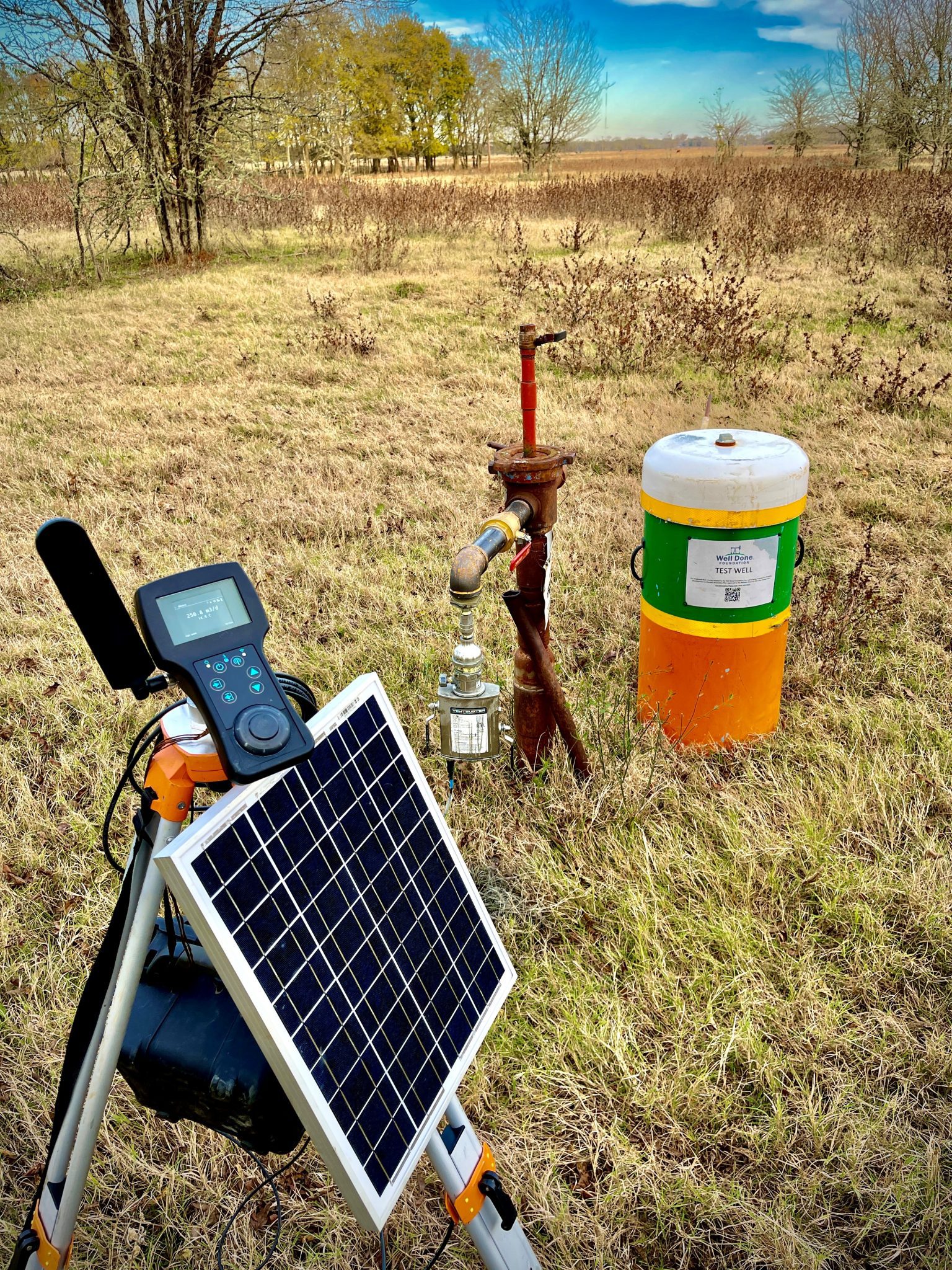
- Fossil fuel production and use: The extraction, processing, and transportation of fossil fuels like coal, oil, and natural gas release significant amounts of methane. This is where organizations like us are making a real difference by plugging abandoned oil and gas wells, a major source of methane leakage.
- Agriculture: Livestock, particularly cattle, produce methane during digestion (enteric fermentation). Rice cultivation and manure management also contribute to agricultural methane emissions.
- Waste: Landfills and wastewater treatment plants generate methane as organic waste decomposes.
2. Do cows produce methane?
Yes, cows and other ruminant animals (like sheep and goats) produce methane as a byproduct of their digestion. They have a specialized stomach with microbes that help them break down tough plant material, and this process releases methane, which is primarily expelled through belching.
3. How much methane do cows produce?
Globally, livestock contribute about 32% of human-caused methane emissions. Individual cows can produce anywhere from 250 to 500 liters of methane per day. There are some new ways of reducing livestock methane and we wrote about it here.
4. What is methane used for?
Methane is the primary component of natural gas, a widely used fuel source for heating, cooking, and electricity generation. It’s also used in industrial processes to produce chemicals and materials.
5. How does methane contribute to the greenhouse effect?
Methane is a potent greenhouse gas, meaning it traps heat in the atmosphere. While it has a shorter lifespan than carbon dioxide (CO2), it’s much more effective at trapping heat in the short term. Over a 20-year period, methane is 84 times more potent than CO2 in terms of its warming potential.
6. How much methane may be locked up in sediments containing gas hydrates?
Gas hydrates, found in ocean sediments and permafrost, contain vast amounts of methane. Estimates suggest that these deposits hold more carbon than all other fossil fuels combined. However, the extraction of methane from hydrates is challenging and poses environmental risks.
7. How long does methane stay in the atmosphere?
Methane has an average lifetime of about 12 years in the atmosphere. This is much shorter than CO2, which can persist for centuries. However, during its time in the atmosphere, methane has a significant warming impact.
8. Is methane flammable?
Yes, methane is highly flammable. It’s the main component of natural gas, which is used as a fuel source. Methane leaks can pose a fire hazard, and it’s important to have proper ventilation and safety measures in place when handling natural gas.
9. What is the good news about methane emissions?
The good news is that because methane has a relatively short lifespan in the atmosphere, reducing methane emissions can have a rapid impact on slowing global warming. Efforts like those of the Well Done Foundation, which focus on mitigating methane leaks from abandoned wells, are crucial for achieving quick wins in the fight against climate change.
10. How can enteric fermentation be made less methane-rich?
Scientists are exploring various strategies to reduce methane emissions from livestock, including:
- Dietary changes: Modifying animal feed with additives like seaweed or certain types of fats can reduce methane production.
- Selective breeding: Breeding animals with lower methane emissions could help reduce the overall impact of livestock.
- Vaccines: Researchers are developing vaccines that target methane-producing microbes in the animal’s gut.
Conclusion
Methane is a powerful greenhouse gas with both natural and human-caused sources. Addressing methane emissions is crucial for mitigating climate change. While challenges remain, the good news is that reducing methane emissions can have a rapid and significant impact on slowing global warming. By supporting organizations like the Well Done Foundation and promoting innovative solutions, we can all contribute to a cleaner, healthier planet. We invite you to sign up for our newsletter below, or click here if you’d like to make a donation.
Consider Purchasing Carbon Credits – Methane Carbon Credits!
Want to take tangible action against climate change? Consider purchasing carbon credits from the Well Done Foundation. Each credit you buy funds our mission to plug abandoned oil and gas wells, preventing the release of potent methane emissions. By offsetting your carbon footprint with us, you’re not just reducing your environmental impact; you’re actively contributing to a cleaner, safer planet. Join us in making a difference, one well at a time.