The process of plugging and abandoning (P&A) oil and gas wells is a critical operation in the energy sector, especially as the industry faces increasing scrutiny regarding its environmental impact. This article explores what P&A entails, the procedures involved, the implications of abandoned wells leaking methane gas, and the importance of effective P&A practices in the context of climate change. We hope you get a better sense of what this process entails and why its so critical for all retired wells to go through it.
What is Plug and Abandon (P&A)?
Plugging and abandoning a well refers to the procedure initiated when an oil or gas well is no longer productive or economically viable. This operation involves sealing the well to prevent any potential environmental impact, especially concerning groundwater contamination and greenhouse gas emissions. As fossil fuel extraction evolves towards sustainability, effective P&A practices have become increasingly significant.
The P&A Process
The P&A process can be broken down into several stages. Each of these stages is crucial to ensure that the well is sealed effectively and does not pose a risk to the surrounding environment. Here is how P&A is conducted.
Well Assessment
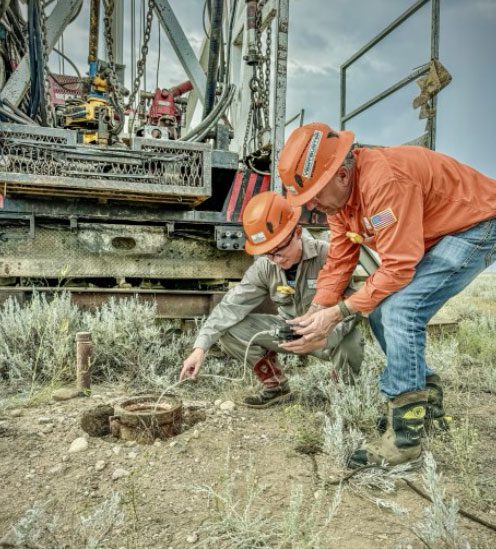
The first step in the P&A process is assessing the well to evaluate its condition. This generally involves reviewing the well logs and production history and sometimes conducting tests to identify any potential complications that may arise during the plugging procedure. At our foundation we will measure the net gas output that an abandoned well is generating. We want to know what gasses and what amount of gas escape we are dealing with.
Preparation for Plugging
During the preparation phase, operators must prepare the well for abandonment. This entails cleaning out any remaining oil, gas, or other materials from the wellbore. Equipment such as pumps and tubing are removed, and the well is made safe for the plugging operation. It goes without saying that safety is critical for all of those involved in plugging the well.
Plugging the Well
The actual plugging of the well involves inserting plugs or barriers into the wellbore at various depths. The primary objective is to create a seal that will prevent fluids from migrating past the plugged sections. Operators typically use cement as the primary sealing material, as it is durable and can withstand significant pressure over time. The placement of these plugs is meticulously documented, and regulations often dictate the required number of plugs based on the well’s depth and geological conditions.
Abandonment and Site Restoration
Once the well is plugged, the final step is officially abandoning the well and restoring the site. This may involve removing surface equipment and conducting an environmental assessment to ensure that the area has been cleaned and that no contaminants remain. Operators may also be required to monitor the abandoned site for a specified period to ensure there are no issues.
The Environmental Impact of Abandoned Wells
As wells are plugged and abandoned, there is still a pressing concern regarding the long-term environmental impacts of these abandoned sites, particularly those that lead to methane emissions.
Methane Leakage from Abandoned Wells
Abandoned oil and gas wells can act as pathways for methane—a highly potent greenhouse gas—to escape into the atmosphere. If the sealing process is not executed properly, fissures or cracks can develop, allowing methane gas accumulated in underground reservoirs to leak. Methane is significantly more effective than carbon dioxide at trapping heat in the atmosphere, exacerbating climate change.
Importance of Properly Plugging Wells
Properly executing the P&A process is essential for several reasons:
- Environmental Protection: Ensuring abandoned wells are sealed prevents pollutants from contaminating groundwater and inhibits methane emissions.
- Public Safety: Unplugged wells are a hazard, posing risks of blowouts or leakage, which can lead to explosions or contamination in surrounding areas.
- Climate Change Mitigation: By effectively sealing these wells, the oil and gas industry can significantly reduce the contribution of methane to greenhouse gas emissions, thereby playing a part in the global effort to combat climate change.
Looking Into the Future
As the oil and gas industry increasingly embraces sustainability, understanding the Plug and Abandon process is a must. Addressing the issue of abandoned wells leaking methane gas is critical to mitigating climate change. Through diligent assessment, careful plugging, and ongoing monitoring, companies can minimize environmental impacts and contribute to a more sustainable energy future. By prioritizing effective P&A practices, the industry can take significant steps towards reducing its ecological footprint and combating climate change. Many companies in the past have simply abandoned these wells and the process of finding and plugging them is in dire need. Fortunately, modern gas and oil companies have been very diligent at properly evaluating and plugging wells that are about to retire.
Technological Innovations in P&A
Recent advancements in technology have played a pivotal role in enhancing the effectiveness of the Plug and Abandon process. Innovations such as advanced wellbore imaging tools and real-time monitoring systems have improved the ability to assess the condition of aging wells. These technologies allow operators to identify potential issues before they escalate, ensuring a more thorough and strategic approach to sealing abandoned wells. Additionally, the integration of remote sensing and robotic technologies enables efficient execution of P&A operations, reducing the risk to human workers and minimizing the environmental footprint of these activities.
Regulatory Framework and Industry Commitment
The efficacy of the Plug and Abandon process is strongly influenced by the regulatory framework in place. Governments and regulatory bodies are recognizing the importance of robust regulations to ensure the safe and responsible closure of wells. This includes establishing guidelines for proper assessment, material usage, and standards for long-term monitoring. Furthermore, industry players are increasingly committing to transparency and accountability, often publishing reports on their P&A practices and outcomes. By aligning with regulatory expectations and adopting best practices, the oil and gas industry not only enhances its reputation but also fosters public trust in its commitment to environmental stewardship (keep it up everyone!).
The Path Forward
Looking ahead, the path towards more sustainable P&A practices lies in collaboration among industry stakeholders, regulators, and environmental organizations. By sharing knowledge and resources, these groups can devise more effective strategies for well abandonment and mitigation of methane emissions. Investment in research and development will also be crucial in identifying innovative materials and methods that can further minimize environmental impact. In conclusion, as the oil and gas industry continues to evolve, a concerted effort towards effective Plug and Abandon practices will not only safeguard public safety and the environment but also position the industry as a proactive participant in the fight against climate change. Collaboration, innovation, and compliance will be the cornerstones of this endeavor, paving the way for a more sustainable energy future.