Introduction
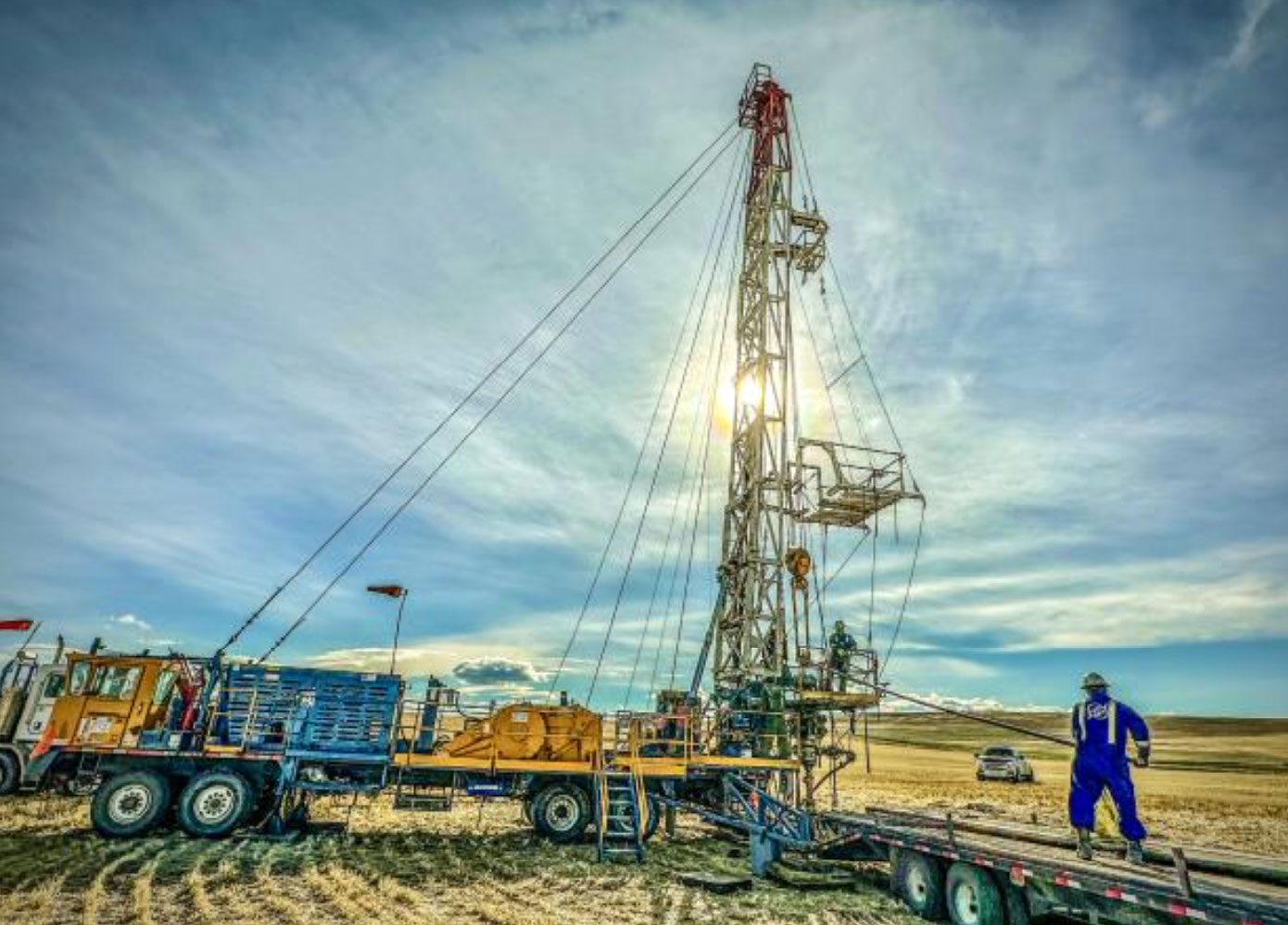
Climate change represents one of the most pressing challenges of our time. As global temperatures continue to rise due to greenhouse gas emissions, organizations worldwide are exploring innovative solutions to reduce their carbon footprint. One such solution gaining significant traction is carbon credits. At the Well Done Foundation, we use carbon credits to fund our mission of plugging abandoned and orphaned oil and gas wells, which are significant sources of methane emissions across America.
What Exactly Is a Carbon Credit?
A carbon credit is a tradable certificate or permit that represents the right to emit one metric ton of carbon dioxide (CO₂) or an equivalent amount of other greenhouse gases. Think of it as a permission slip for pollution, but with an important twist: these credits are limited in number and designed to decrease over time, incentivizing emissions reductions.
Carbon credits function on a simple principle: for every ton of greenhouse gas that a project prevents from entering the atmosphere, one carbon credit is generated. These credits can then be purchased by individuals, businesses, or governments looking to offset their unavoidable carbon emissions.
How Do Carbon Credits Work?
The carbon credit system operates on a “cap and trade” model that includes several key steps:
- Quantification: First, a project’s greenhouse gas reduction potential is scientifically measured and verified.
- Verification: Independent third-party auditors verify that the emissions reductions are real, permanent, and would not have occurred without the project.
- Certification: Once verified, carbon credits are issued by authorized carbon registries that maintain rigorous standards.
- Trading: These credits can then be bought and sold on carbon markets, allowing organizations to invest in projects that reduce emissions beyond their own operations.
- Retirement: When a credit is used to offset emissions, it is permanently retired, ensuring it cannot be double-counted.
Types of Carbon Credits
Carbon credits come from various project types, each with unique benefits:
- Renewable Energy Projects: Solar, wind, and hydropower installations that replace fossil fuel energy generation.
- Forestry and Conservation: Protecting existing forests or planting new ones to sequester carbon naturally.
- Methane Capture: Projects that capture methane from landfills, abandoned mines, or in our case at the Well Done Foundation, orphaned oil and gas wells.
- Energy Efficiency: Initiatives that reduce energy consumption through improved technology or processes.
Why Carbon Credits Matter
Carbon credits serve multiple important functions in our global climate strategy:
Environmental Impact
Carbon credits finance projects that might otherwise not be economically viable, directly contributing to greenhouse gas reductions. Through market mechanisms, they channel capital toward the most cost-effective climate solutions.
Economic Benefits
The carbon market creates financial incentives for innovation in clean technologies and sustainable practices. For local communities, carbon credit projects often bring additional benefits like job creation, improved infrastructure, and preservation of natural resources.
Corporate Responsibility
For businesses, carbon credits offer a pathway to demonstrate environmental leadership while transitioning to more sustainable operations. They provide a measurable, verified way to take responsibility for environmental impacts that cannot yet be eliminated through direct reductions.
Carbon Credits and the Well Done Foundation
At the Well Done Foundation, we’ve pioneered an innovative application of carbon credits that directly addresses a significant source of methane emissions—orphaned oil and gas wells.
When oil and gas wells are no longer productive, they should be properly plugged to prevent methane leakage. Unfortunately, it is estimated there are more than 3 million of these wells across America have been orphaned or abandoned without proper decommissioning. These wells silently leak methane—a greenhouse gas 25-86 times more potent than CO₂ (depending on the timeframe measured)—into our atmosphere.
Through our work:
- We identify high-emitting orphaned wells
- Measure their methane emissions scientifically
- Permanently plug these wells to eliminate emissions
- Have the emissions reductions verified by third parties
- Generate carbon credits based on the eliminated emissions
When you purchase carbon credits from the Well Done Foundation, you’re directly funding the plugging of these environmental hazards while offsetting your own carbon footprint. It’s a concrete, measurable climate action with immediate benefits.
The Future of Carbon Credits
As global climate ambitions increase, carbon markets are evolving rapidly. Key trends include:
- Growing Voluntary Markets: More organizations are voluntarily offsetting emissions beyond regulatory requirements.
- Increasing Quality Standards: Carbon credit verification is becoming more rigorous, ensuring greater environmental integrity.
- Integration with Climate Policies: Carbon credits are increasingly aligned with national and international climate commitments.
- Technological Advancement: New technologies are improving measurement, reporting, and verification processes.
Taking Action
Understanding carbon credits is just the beginning. Here’s how you can engage with this powerful climate solution:
- For Individuals: Consider offsetting emissions from travel, home energy use, or other activities by purchasing carbon credits.
- For Businesses: Calculate your carbon footprint and develop a strategy that combines direct emissions reductions with quality carbon offsets.
- For All: Look for high-impact carbon credits like those generated by the Well Done Foundation, where your investment creates multiple environmental and social benefits.
By supporting carbon credit projects, particularly those addressing urgent and overlooked emissions sources like orphaned wells, you’re making a tangible difference in the fight against climate change.
Conclusion
Carbon credits represent a valuable tool in our collective effort to address climate change. They create economic incentives for emissions reductions, channel investment toward high-impact environmental projects, and provide a pathway for organizations and individuals to take responsibility for their carbon footprints.
At the Well Done Foundation, we’re proud to offer carbon credits that not only offset emissions but also solve a pressing environmental problem—the methane leakage from orphaned and abandoned oil and gas wells across America. By understanding and engaging with carbon credits, you become part of the climate solution. If you would like to help our foundation and purchase carbon credits then click here.
History of Carbon Credits
If you’d like to learn more about the history of carbon then check out the Carbon Brief timeline about carbon offsets here.